Education
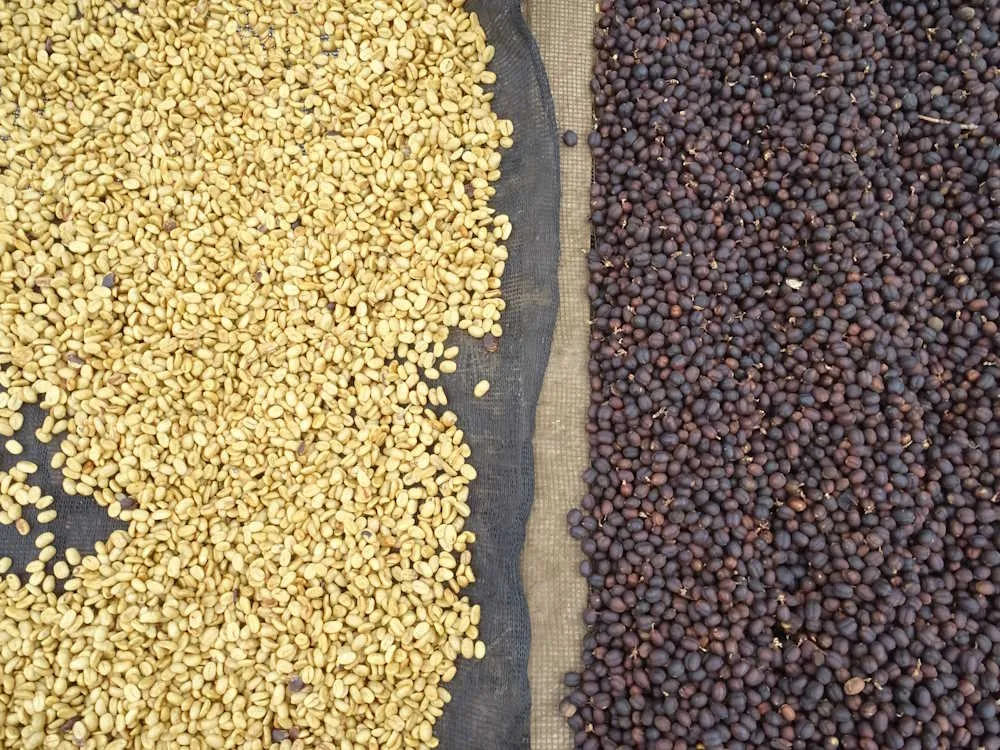
Coffee processing is the crucial step where the bean is removed from the fruit (cherry), and the chosen method significantly affects the flavor, aroma, and overall quality of the final product. The difference in processing is so profound that it gives the coffee a "new coffee personality," even if it comes from the same origin. The two most common methods worldwide, and particularly in Ethiopia, are the wet process (washed method) and the dry process (natural method).
The Washed Method (Wet Process)
The washed method begins with selectively picking ripe cherries, followed by sorting and cleaning to remove unripe or defective fruit.
| Steps Involved | Impact on Flavor and Resources |
|---|
| **Pulping:** A pulper machine removes the outer skin and pulp. | Washed coffee is known for being **clean and bright**, consistently emphasizing the acidity and clarity of flavors. |
| **Fermentation:** The beans ferment in water tanks, allowing the sticky mucilage layer to break down. | This process allows the inherent qualities of the origin (the terroir) to shine through, producing predictable profiles. |
| **Washing:** The beans are then washed to remove any remaining mucilage. | Requires **significant water resources** and dedicated infrastructure, resulting in higher operational costs. |
| **Drying:** Finally, the coffee is dried to reach the desired moisture content. |
The Natural Method (Dry Process)
The natural method is the oldest form of processing and is dependent on sunny, dry weather conditions. It is very common in Sidamo, Ethiopia.
| Steps Involved | Impact on Flavor and Resources |
|---|
| **Harvesting and Sorting:** Ripe cherries are picked and defective ones are removed. | Because the coffee bean remains in contact with the fruit pulp for a prolonged period during drying, the natural process enhances **sweetness and fruity notes**. |
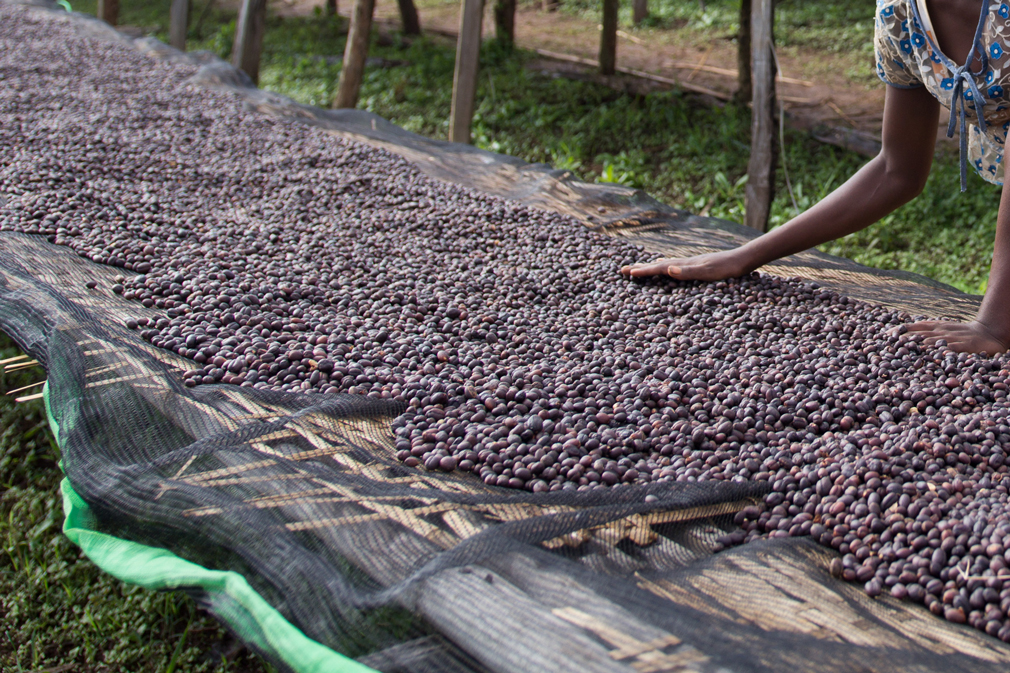
| **Drying:** The **whole cherries** are spread out and dried in the sun, often on raised beds. | The flavor profile is typically **fuller-bodied, sweet, fruity, and complex**. |
| **Turning:** The cherries must be regularly turned to ensure even drying, a process that can take several weeks. | Minimizes water usage and requires less equipment, but is **labor-intensive** due to the manual handling. |
| **Hulling:** Once the outer layers have hardened and dried, they are removed to obtain the green coffee beans. |
Choosing Your Bean
If you prefer a cleaner, brighter cup with lively acidity, opt for wet-processed coffees, which is the classic signature of Yirgacheffe. If you enjoy sweet, juicy, full-bodied flavors with intense fruit (such as berries or stone fruit), dry-processed beans are the better choice.