
The Journey of Ethiopian Coffee: From Cherry to Cup
Origins
Discover the fascinating journey of Ethiopian coffee, from the high-altitude farms where it originates to the meticulous processing that brings out its unique flavors. Ethiopia is universally recognized as the cradle of Arabica coffee. The country’s coffee production is characterized by its diversity, small scale, and aromatically unique profiles.
The Source: Smallholder Farms and High Altitudes
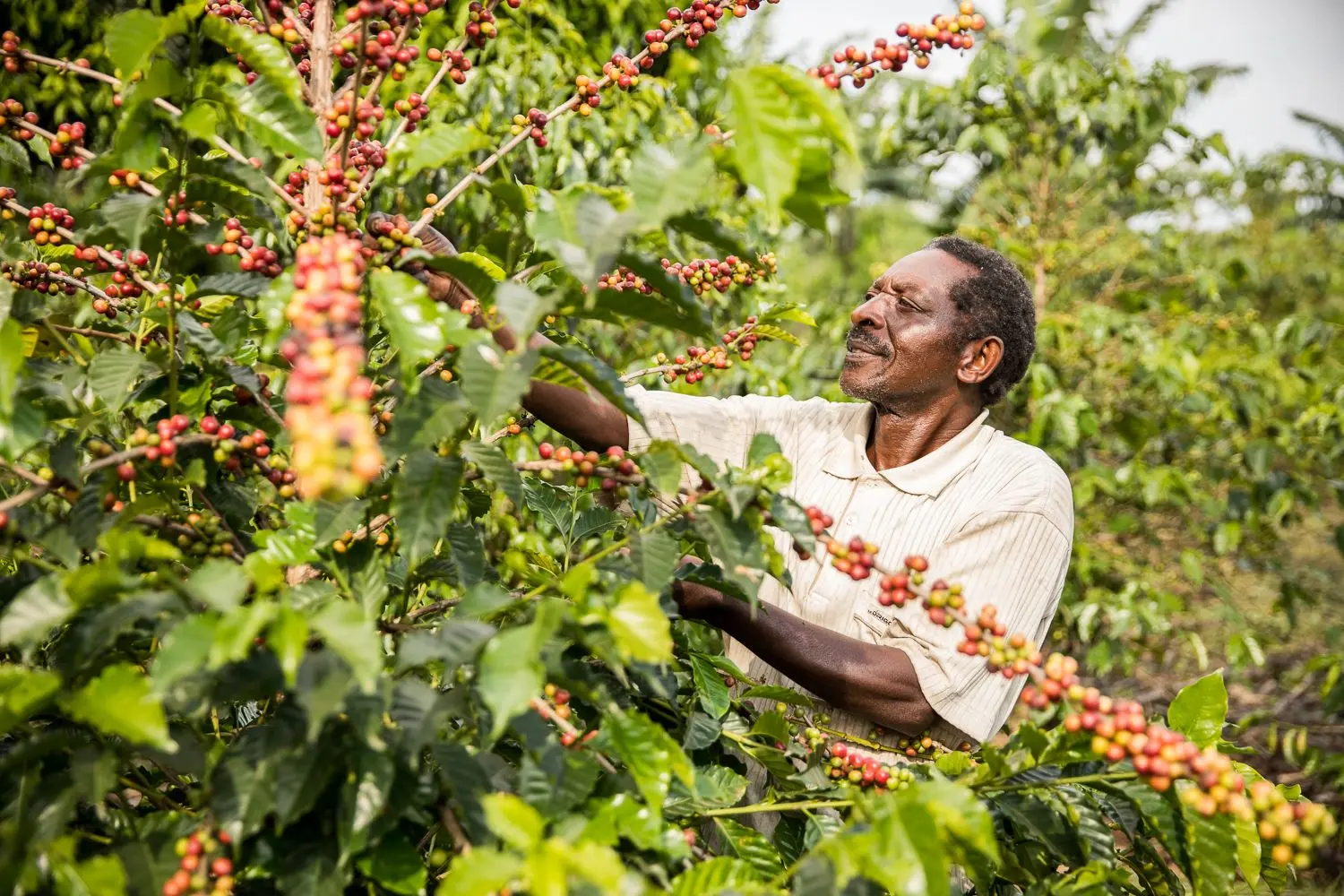
A significant characteristic of Ethiopian coffee cultivation is the structure of its farming: over 80% of the coffee is cultivated in plots of around half a hectare by millions of smallholder farmers. These farmers predominantly produce hand-harvested Ethiopian Arabica, often utilizing agroforestry systems that incorporate shade trees and high biodiversity.
The southern Ethiopian highlands, where famous regions like Sidamo and Yirgacheffe are located, offer ideal growing conditions, including cool nights, mild days, and long ripening periods, which result in complex flavors. Coffees thrive at high altitudes, with Sidamo covering a range of approximately 1,500 to 2,200 meters, and Yirgacheffe typically found higher, between 1,800 to 2,200+ meters above sea level. These high elevations classify Yirgacheffes as Strictly High Grown (SHG) or Strictly Hard Bean (SHB) coffees, meaning they grow slowly and have more time to develop the best flavors.
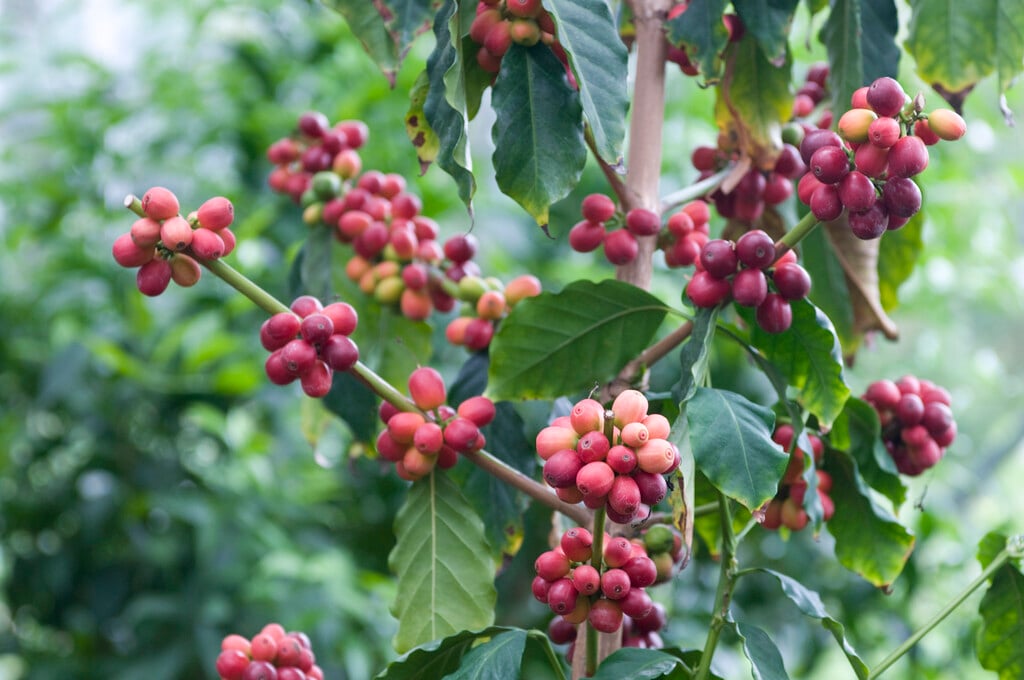
Ethiopia possesses a genetic treasure trove of coffee varieties, often collectively referred to as "Ethiopian Heirloom". Specific local landraces, along with selected heirlooms and breeding program selections (like JARC selections 74110 and 74112), heavily influence the final cup profile.
The Path to Export and Traceability
Once harvested, Ethiopian coffee beans must undergo rigorous quality and regulatory processes. The coffee can be processed using either the wet (washed) or dry (natural) method, profoundly impacting the resulting flavor.
In the context of international trade, Ethiopia is actively developing a coffee traceability platform to comply with the European Union’s Deforestation Regulation (EUDR), which demands due diligence on all coffee sold in the EU market by December 2025. This compliance requires the collection of geolocation data, a complex task given the small plot sizes of the millions of farmers. The Ethiopian Coffee & Tea Authority (ECTA) has partnered with local tech firms, such as Vulcan ICT, to address this challenge and create a central data repository.
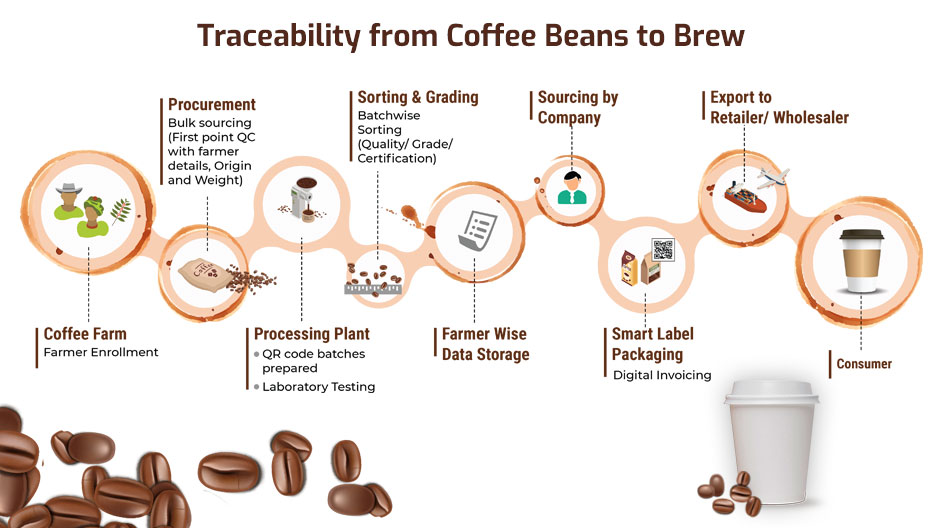
The physical coffee is traded through channels like the Ethiopian Commodity Exchange (ECX). The journey culminates in strict grading based on defects and cup quality to ensure export standards are met. Specialty coffee, which is distinctive due to its full cup taste and little to no defects, may command a market premium due to its high quality.