
Ethiopian Coffee Grading System Explained
Education
Confused by Grade 1 vs Grade 2? We break down the Ethiopian coffee grading system so you can make informed buying decisions. Ethiopian coffee quality is assessed using grading systems that combine the physical characteristics of the green bean (defects) and the sensory qualities of the brewed coffee (cup quality).
The Two Pillars of Grading: Raw Value and Cup Quality
The final coffee grade is based on a composite score:
Commercial Grading (Grade 1 to 9)
For commercial washed and unwashed coffees, the Ethiopian Commodity Exchange (ECX) system assigns a grade based on the Total Value score (Raw Value + Cup Quality Value).

| Grade | Total Value Range |
|---|
Lower grades (like Local/Domestic coffee) are considered inferior in quality, often due to a high presence of impurities or flavor loss from long-term storage.
Specialty Grading: Q1 and Q2
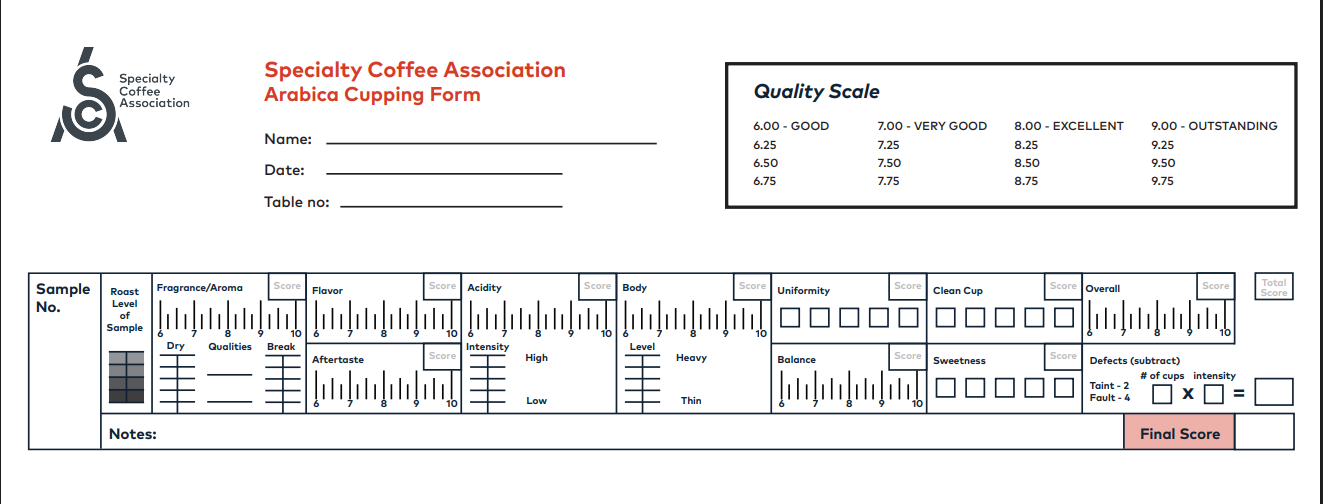
Specialty coffee is defined as coffee that is distinctive, having a full cup taste and little to no defects, allowing it to command a market premium. Coffees receiving Grade 1, 2, or 3 in a preliminary assessment undergo a specialized Specialty Assessment focusing purely on cup quality.
Understanding Defects
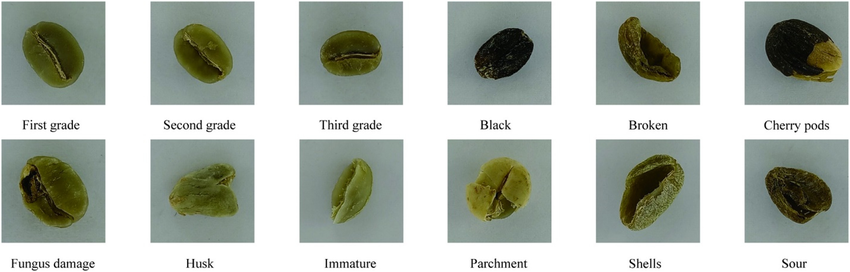
The Raw Value relies heavily on identifying and counting defects.
For CLU grading, a Grade 1 coffee must have fewer than 5 defects, while a Grade 2 coffee has 5 to 12 defects.